What Causes Low Water Pressure (and When to Call a Plumber)

1. Blocked or Clogged Pipes
Over time, mineral build-up, debris, or rust can restrict water flow inside your pipes. This is especially common in older homes. If multiple taps around the house are affected, it could indicate a blockage deeper in the system.
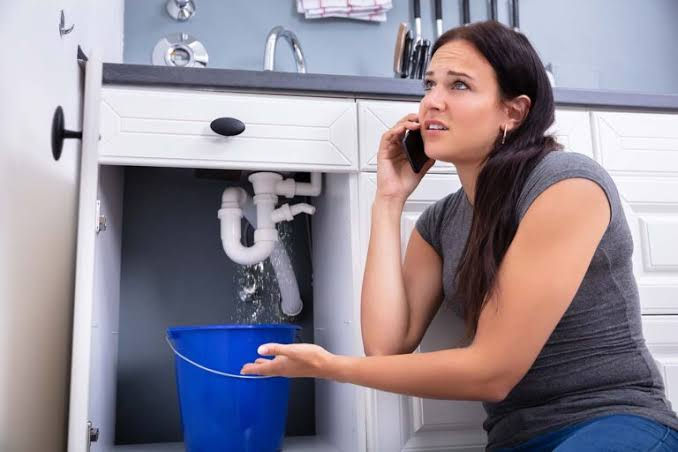
2. Leaking Pipes
A hidden leak is one of the most common causes of reduced water pressure. If water is escaping somewhere in your plumbing system, less is reaching your taps. You may also notice damp spots, higher water bills, or mold growth.
3. Faulty Fixtures or Tapware
Sometimes the issue isn’t the plumbing system itself but the fixtures. Showerheads and taps can become clogged with sediment over time, reducing water flow. Cleaning or replacing them can often fix the problem.
4. Problems with the Water Supply
In some cases, low pressure may be due to issues with the local water supply or municipal system. If your neighbours are experiencing the same issue, it’s likely external.
5. Pressure Regulator Issues
Many homes have a pressure-reducing valve installed. If this becomes faulty or incorrectly adjusted, it can cause a noticeable drop in water pressure throughout the property.
When Should You Call a Plumber?
You should contact a licensed plumber if:
The issue affects multiple taps or fixtures
You suspect a hidden leak
Cleaning fixtures doesn’t improve the flow
The problem appears suddenly or worsens over time
A professional plumber can diagnose the exact cause and restore proper water pressure quickly and safely.
Final Thoughts
Low water pressure is often more than just an annoyance—it can be a sign of an underlying plumbing issue that shouldn’t be ignored. Early diagnosis can prevent more serious and costly problems down the track.


Comments